
How to Choose an Access Control System for a Residential Complex
Introduction
Selecting the right security infrastructure is one of the most critical decisions developers and property managers. A well-chosen access control system residential building setup not only ensures the safety of residents but also significantly enhances the property’s value, appeal, and operational efficiency. However, with a multitude of technologies available—from traditional key fobs to advanced biometric type—making the right choice can be daunting. This guide is tailored for B2B system integrators, developers, and property managers to navigate the process of selecting the ideal access control solution for modern residential complexes.
Assessing Your Property's Needs
Before evaluating specific technologies, it is essential to conduct a thorough assessment of the residential complex’s unique requirements.
- Size and Scale: A boutique apartment building with 20 units has vastly different needs than a sprawling, multi-tower complex with hundreds of residents, multiple amenities, and high foot traffic.
- Resident Demographics: Tech-savvy young professionals might prefer mobile access or facial recognition, while older demographics might be more comfortable with traditional RFID cards or fobs.
- Security Requirements: Consider the crime rates in the surrounding area and the specific security concerns of your target market. High-end luxury complexes typically demand cutting-edge, highly secure solutions.
- Integration Goals: Will the system need to integrate with property management software, smart home devices within the units, or automated parking gate systems?
Key Technologies in Residential Access Control
Understanding the available technologies is crucial for designing an effective access control system residential building strategy.
Traditional RFID Systems (Cards and Fobs)
These remain the most common systems due to their reliability and cost-effectiveness. Residents simply tap a card or fob against a reader. While easy to use, they pose security risks if lost or stolen, and managing physical credentials can be an administrative burden for property managers.
Mobile Access Control
Mobile access allows residents to use their smartphones as digital keys via Bluetooth or NFC. This is highly convenient, as people rarely forget their phones. It also allows property managers to issue or revoke credentials remotely and instantly, eliminating the need for physical card management.
Check out DP-338 for multi-mode access control devices
Biometric Access (Facial Recognition and Fingerprint)
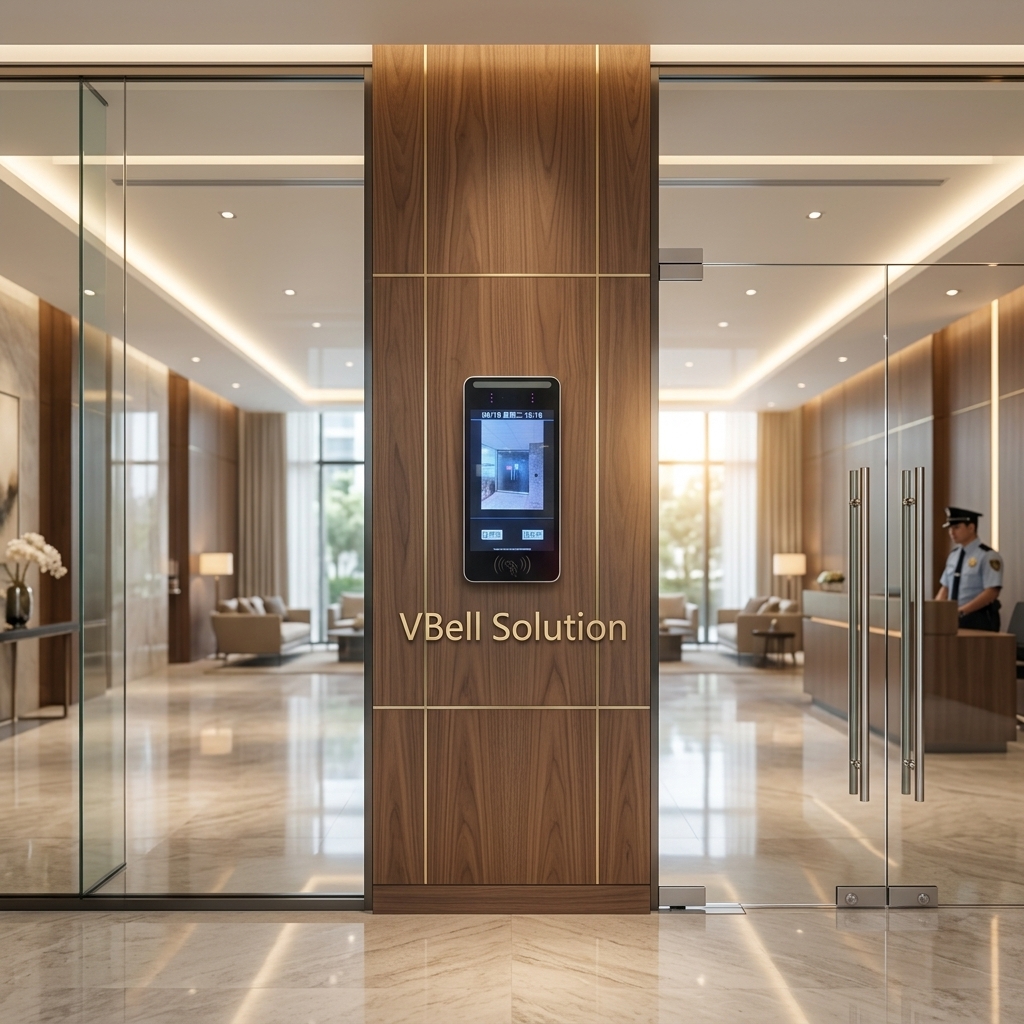
Biometrics offer the highest level of security and convenience. Facial recognition, in particular, provides a frictionless, touchless entry experience that is increasingly popular in luxury developments. It eliminates the risk of lost keys or shared credentials, ensuring only authorized residents can enter.
Cloud-Based Management
Regardless of the hardware chosen, modern systems should be cloud-based. This allows property managers to manage permissions, view access logs, and handle lockouts from a centralized dashboard, accessible from anywhere, streamlining building operations.
Features to Look For
When evaluating an access control system residential building solution, prioritize the following features:
- Visitor Management Integration: The system must seamlessly handle guests, delivery drivers, and service personnel. Look for features like temporary PIN codes, video intercom integration, or smartphone-generated guest passes.
- Scalability: The system should easily accommodate future expansions, whether adding more doors, integrating new amenities like gyms or pools, or onboarding a growing number of residents.
- Reliability and Redundancy: In the event of a power outage or network failure, the system must fail securely or provide battery backup to ensure residents are never locked out or trapped inside.
- User-Friendly Software: The backend management software used by property staff must be intuitive and efficient, minimizing training time and reducing operational friction.
The Role of System Integrators
For developers and property managers, partnering with an experienced system integrator is vital. Integrators provide essential expertise in:
- System Design: Creating a customized architecture that covers all access points—from main entrances and parking garages to individual units and common areas.
- Hardware Selection: Recommending the right mix of technologies (e.g., facial recognition at the main lobby, mobile access for the gym, smart locks for individual apartments).
- Seamless Deployment: Ensuring professional installation, proper wiring, and smooth software configuration without disrupting existing building operations
Conclusion
Choosing the right access control system residential building infrastructure is a strategic investment in the property’s future. By carefully assessing the building’s specific needs, understanding the available technologies, and prioritizing features like visitor management and cloud-based administration, developers and property managers can create a secure, convenient, and modern living environment. Working closely with expert system integrators ensures a seamless deployment that not only protects residents but elevates the overall residential experience, setting the property apart in a competitive market.